












Track and field continues to serve as a foundational sport for athletic development, and its influence on recruiting across multiple disciplines has become increasingly apparent in 2026. As coaches prioritize speed, explosiveness, and conditioning, athletes with track backgrounds are gaining attention beyond traditional boundaries.

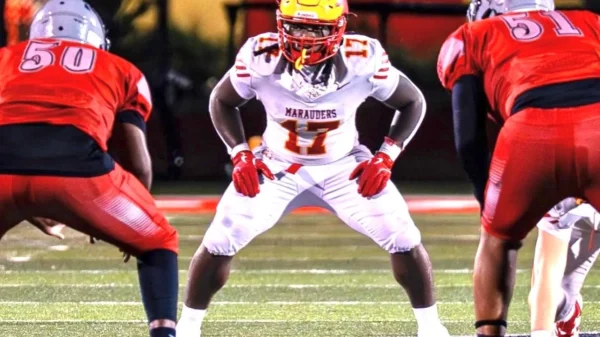
In football, measurable speed has always been a critical factor, but the ability to translate that speed into game situations is what separates prospects. Track athletes often bring refined running mechanics and acceleration, which can be applied effectively in skill positions such as wide receiver and defensive back.
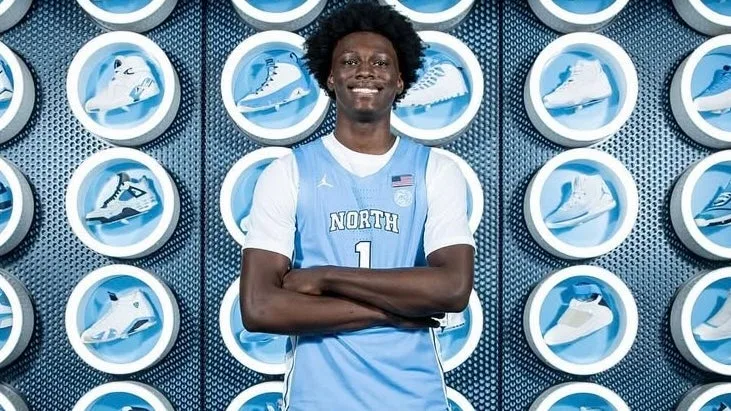
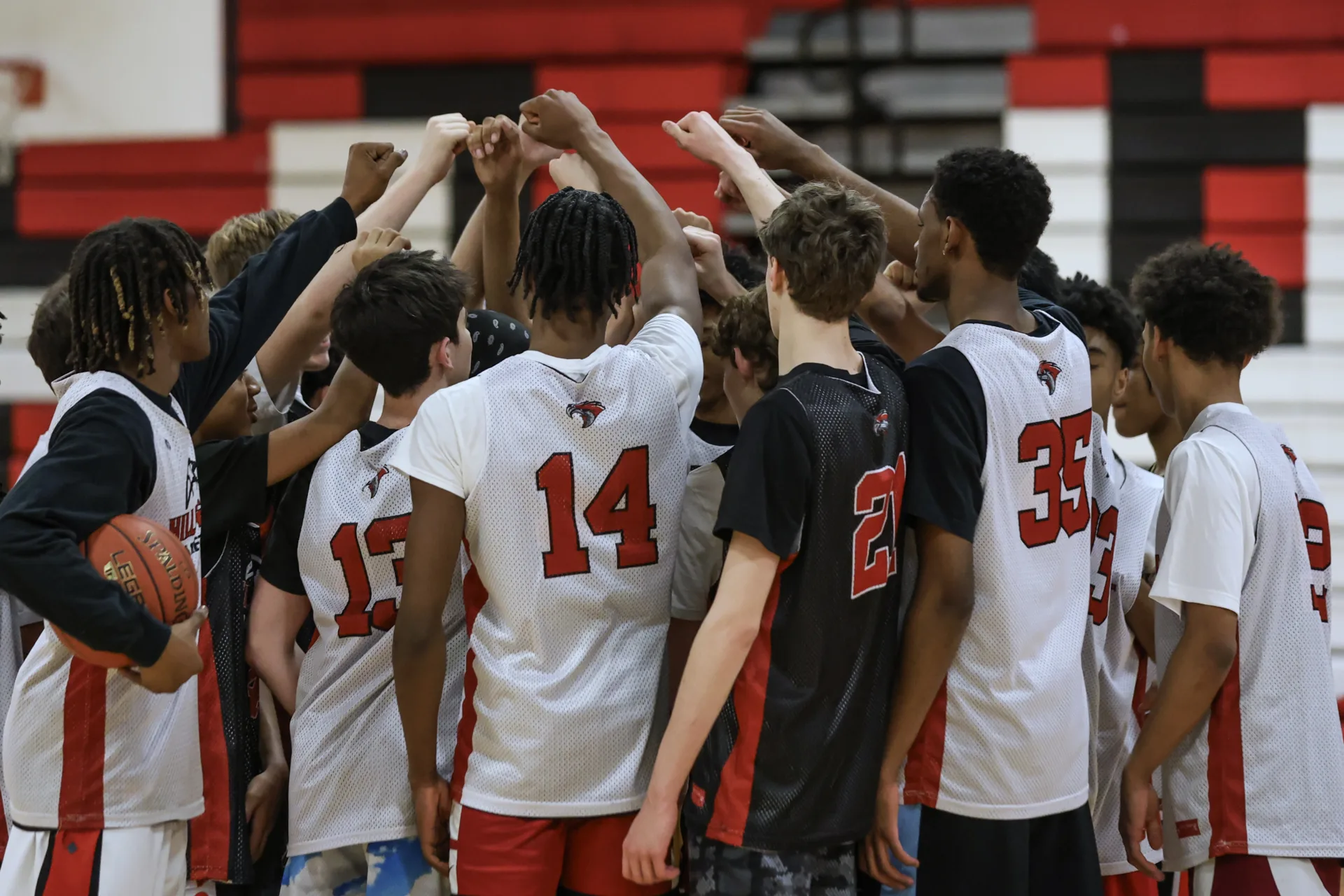
Similarly, in basketball, lateral quickness and endurance are essential components of high-level play. Players who have competed in track events may demonstrate improved agility and stamina, contributing to their overall effectiveness on the court. These attributes are particularly valuable in defensive situations and transition play.
Recruiters are increasingly aware of these cross-sport benefits. As a result, multi-sport participation is being reevaluated as a positive indicator of long-term potential. Rather than focusing exclusively on specialization, coaches are considering how diverse athletic experiences contribute to overall development.
The training environments associated with track and field also play a role. Structured workouts, emphasis on technique, and measurable performance metrics provide a framework for consistent improvement. Athletes who have experienced this type of training may be better prepared for the demands of collegiate programs.
For high school athletes, the implications are clear. Participation in track and field can enhance both physical performance and recruiting visibility. While it may not replace sport-specific training, it offers complementary benefits that can strengthen an athlete’s overall profile.
As recruiting continues to evolve, the integration of skills across sports is likely to remain a key consideration. Track and field, with its focus on fundamental athletic qualities, will continue to influence how prospects are evaluated and developed.