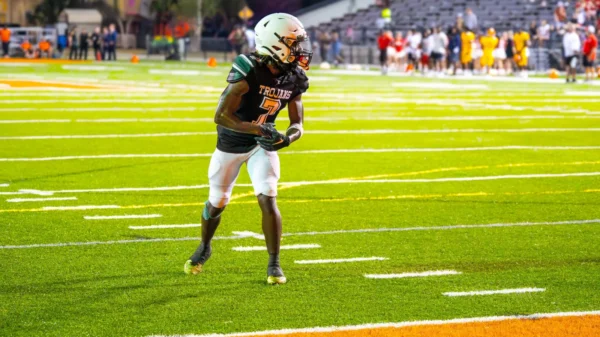
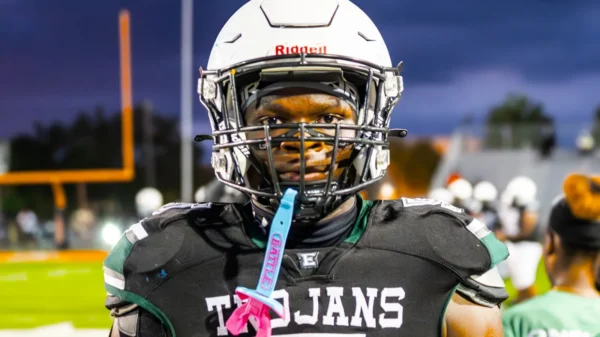
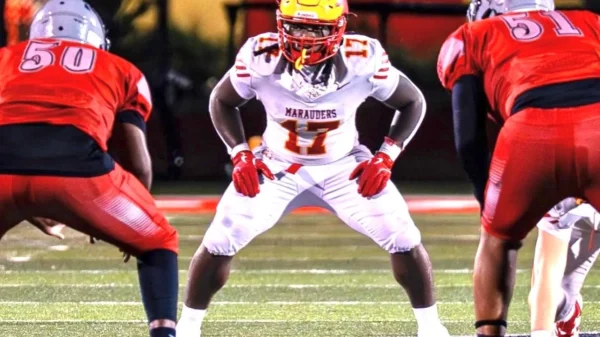

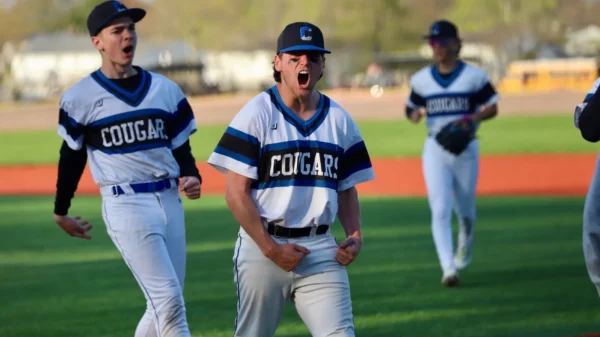






Multi-sport participation is regaining prominence in the recruiting landscape, as coaches increasingly recognize the developmental benefits associated with diverse athletic experiences. While specialization has long been a common pathway, recent trends suggest a shift toward valuing versatility and adaptability.

Athletes who compete in multiple sports often develop a broader range of physical and cognitive skills. Coordination, spatial awareness, and decision-making can translate across different competitive environments, contributing to overall performance.
From a recruiting perspective, multi-sport athletes may also demonstrate durability and resilience. Exposure to varied training demands can reduce burnout and support long-term development, factors that are increasingly important in high-performance settings.
Coaches have noted that athletes with multi-sport backgrounds often adjust more effectively to new systems. Their ability to process information and adapt to changing situations can provide an advantage during the transition to college-level competition.
While specialization remains relevant in certain contexts, the broader trend suggests that a balanced approach can offer significant benefits. For high school athletes, maintaining engagement across multiple sports may enhance both development and recruiting opportunities.